Published: February 10,2016
 High
temperatures (degrees Fahrenheit) on Feb. 10, 2016, during the final
day of the Perth, Australia, heat wave. The high temperature shown is
for Perth Airport, on the city's east side.
High
temperatures (degrees Fahrenheit) on Feb. 10, 2016, during the final
day of the Perth, Australia, heat wave. The high temperature shown is
for Perth Airport, on the city's east side.Perth, Australia, sweltered through four straight days of temperatures exceeding 40 degrees Celsius (104 degrees Fahrenheit) from Feb. 7-10, tying a record-long such streak in the city from February 1933, according to Australia's Bureau of Meteorology.
This streak also set a new record number of 40-degree-plus Celsius days for any summer in this western Australia city, seven days, topping the previous record last set in the summer of 1997-1998. Records in Perth date to 1897.
Slightly closer to the equator than San Diego, California, Perth experiences cooling summer sea breezes around lunchtime you can almost set your watch to. The breezes, locally known as the Fremantle Doctor, are named from the coastal city from which the cooler breezes come.
The Fremantle Doctor has paid the city its daily visit during the heat wave.
However, a stagnant dome of high-pressure aloft has both largely suppressed cloud cover, and triggered east to northeast winds, piping in hot air from Western Australia's interior, warming further as it moves down the slopes of the Darling Range, a higher-elevation plateau east of the city.
One could say this is a less intense version of Southern California's Santa Ana winds.
 Upper-level
weather pattern, featuring a dome of high pressure aloft, responsible
for Perth, Australia's record heatwave from Feb. 7-10, 2016.
Upper-level
weather pattern, featuring a dome of high pressure aloft, responsible
for Perth, Australia's record heatwave from Feb. 7-10, 2016.The city also smashed an electricity consumption record Monday, at just over 4300 megawatts, a record that had stood since January 2012.
Residents took the heat in stride with the typical egg-frying experiment...
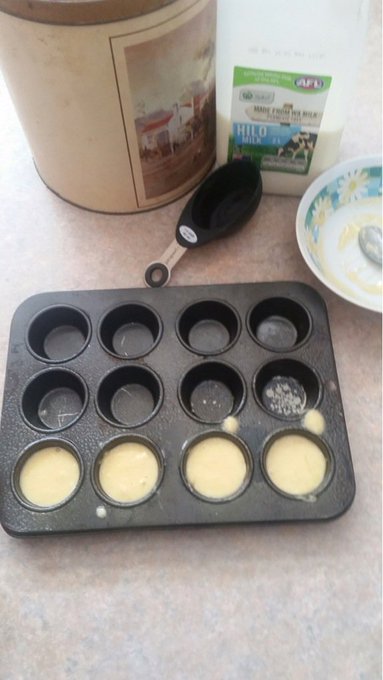
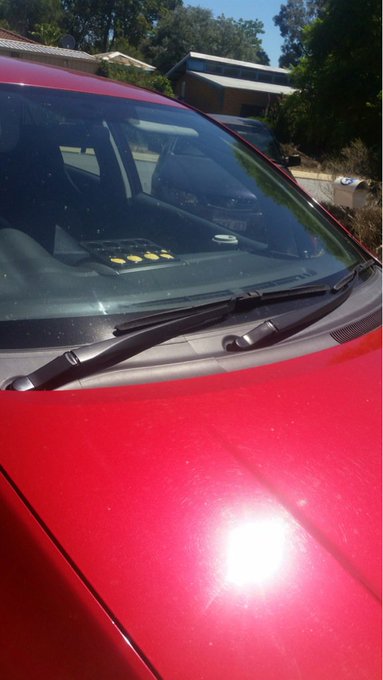
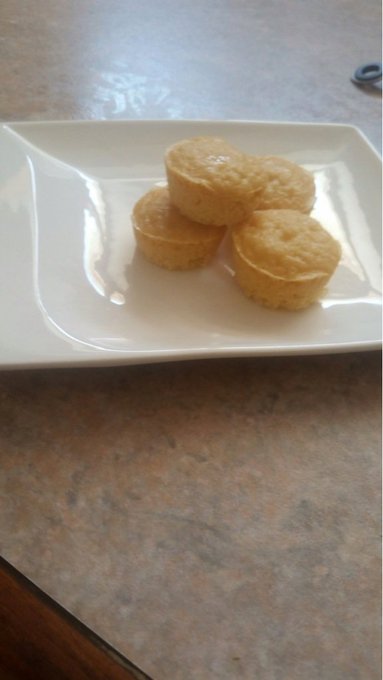

World first? Perth woman bakes cupcakes on dashboard - http://au.news.yahoo.com/thewest/a/30777541/perth-heatwave-sets-a-record/ … #PerthHeatWave
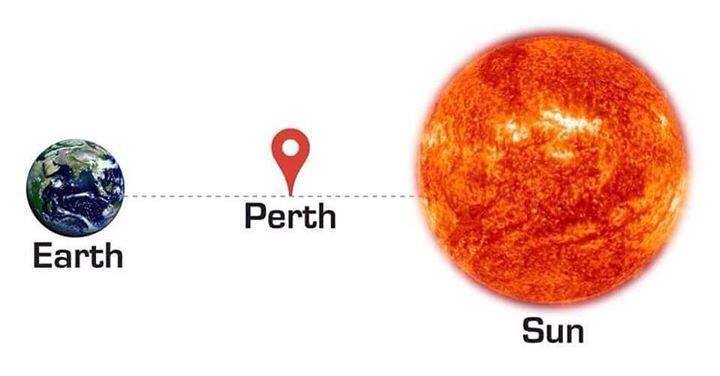

We've just hit 40C in Perth again - meaning this is officially the hottest summer of record!! #PerthHeatWave #9News
Runoff into areas dams in 2015 was the lowest since records began in 1911, roughly 3 billion liters less than what is lost to evaporation, ABC Australia reported.
About 17 percent of the city's water and 40 percent of Western Australia's water comes from desalination, the costly process of turning sea water into drinking water.
ABC Australia reports a new wastewater treatment plant due to open in late 2016 will inject treated wastewater into the city's water supply for future use, a first for the country.
Australia chalked up its fifth warmest year on record in 2015, according to the Bureau of Meteorology.
The Bureau of Meteorology says El Niño years tend to be warmer-than-average in the southern half of Australia, though the greatest effects on precipitation tend to be in eastern Australia in the winter and spring.

No comments:
Post a Comment